
INTRODUCING
CryoPen Treatment.
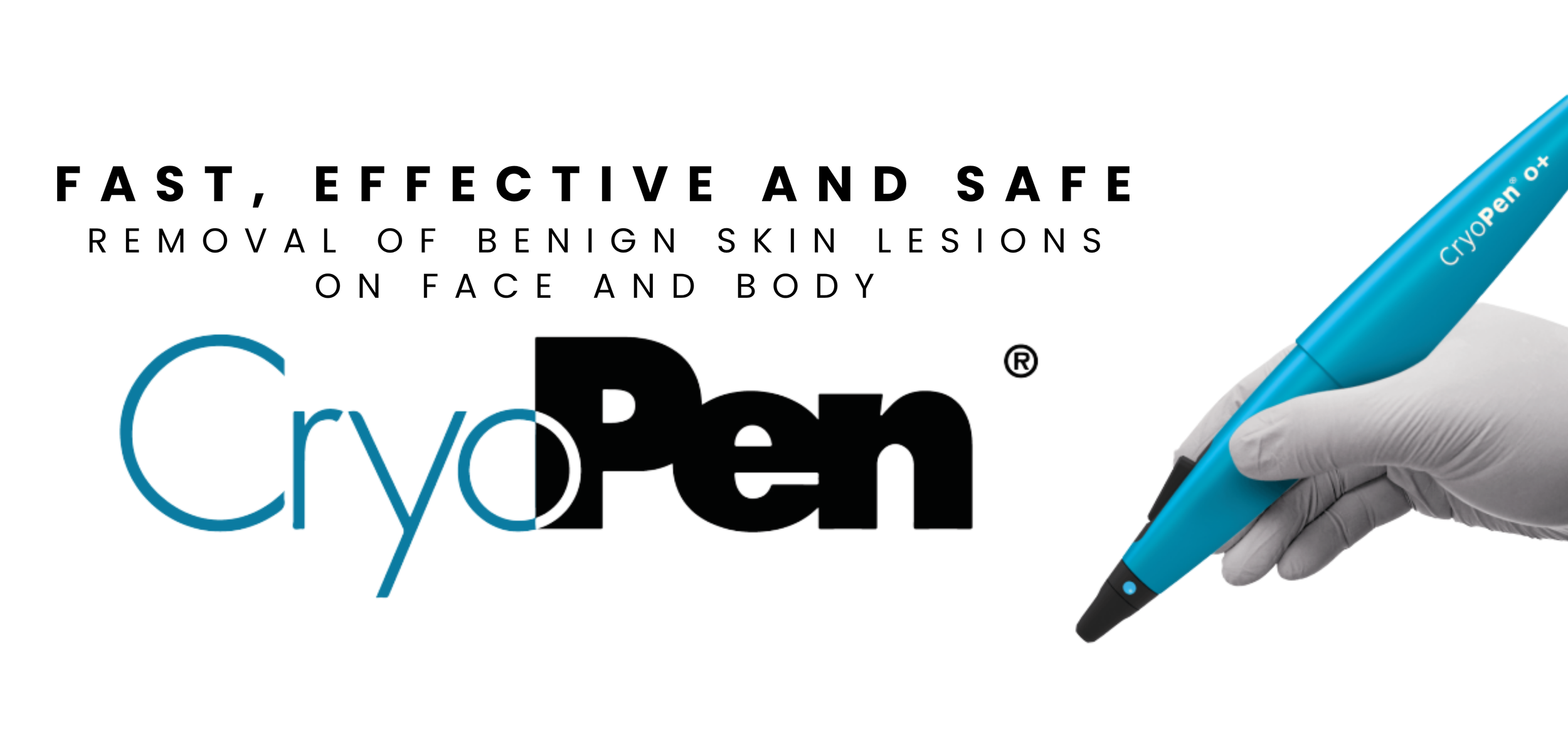
Removal of skin tags, warts, pigmentations and more..
The benefits?
Versatile Treatment Options | Fast Treatment | Safe for Delicate Areas
Pinpoint Accuracy | Minimal Discomfort | No Downtime or Homecare Needed
What is
Cryotherapy?
Cryotherapy is a highly effective and safe procedure that is used to freeze and remove benign skin lesions.
Liquified Nitrous Oxide is used to destroy the tissue by freezing the cell fluid which forms ice shards - rupturing the cell membrane which destroys the cell and the lesion.
Cryotherapy is faster than other treatments — patients are in and out in seconds. It needs no anaesthetic and leaves little scarring. You can do normal activities afterward, as long as you avoid damaging or rubbing the treated area.
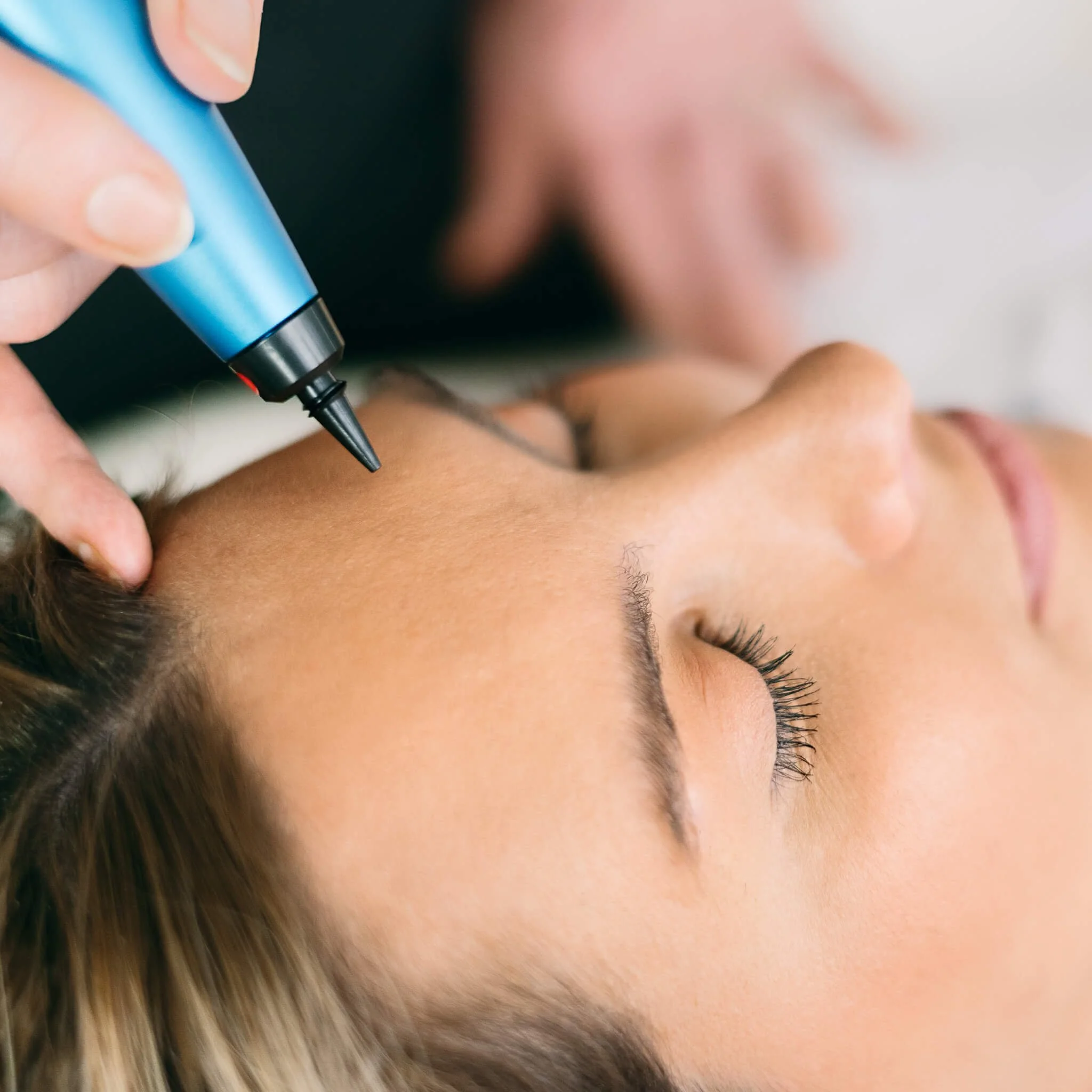
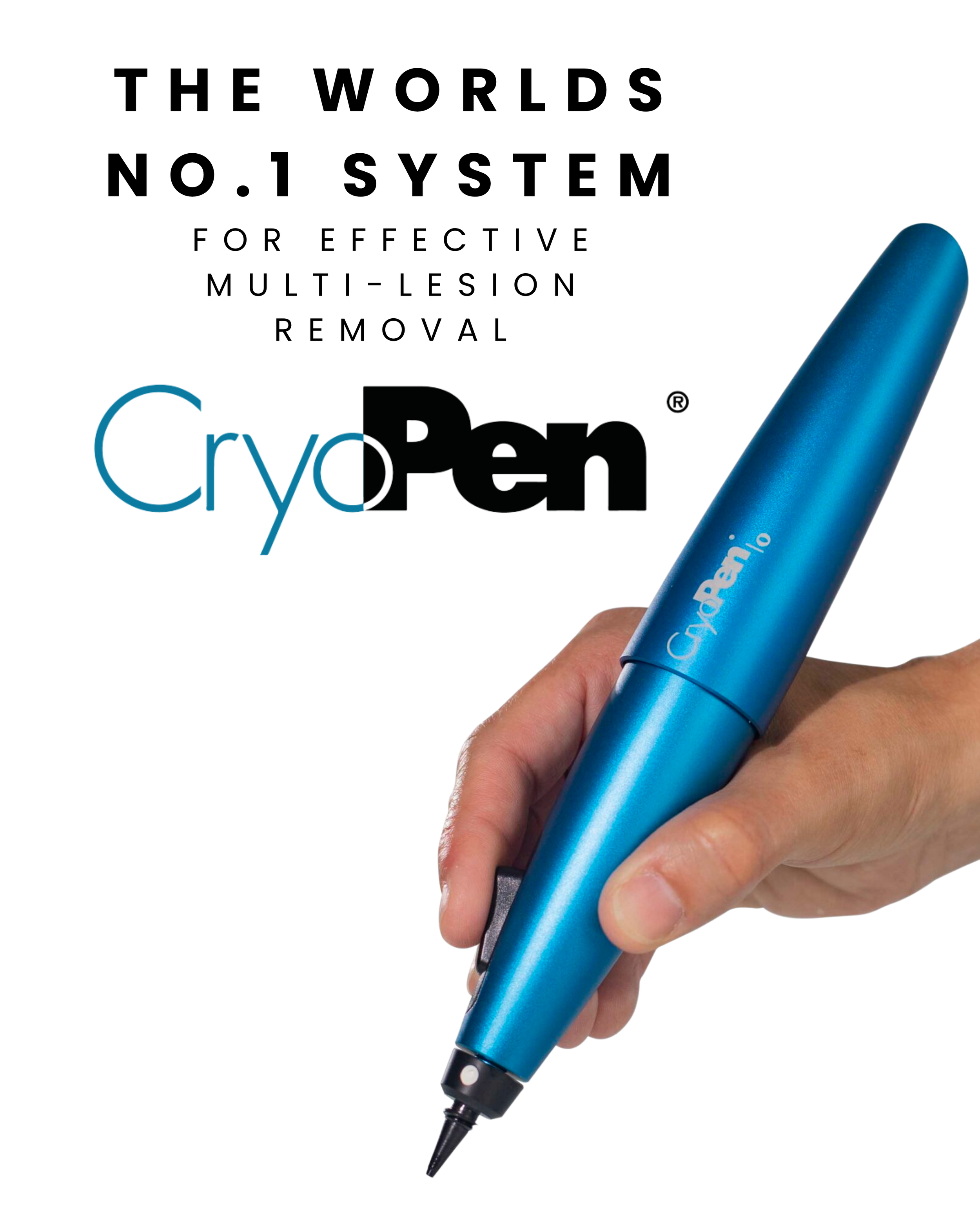
The procedure is performed using a CryoPen - which is an innovative, high performance tool that I use to safely remove unsightly skin tags, warts, age spots and more with millimetre precision and minimal damage to nearby healthy tissue.
Worried about a mole or skin lesion?
Find out about our Map My Mole service, with images reviewed by a UK consultant dermatologist.
Two moles checked for £60.

Your Questions Answered
-
Cryotherapy is quicker than other treatments and patients can be in and out in seconds. It requires no anaesthesia and has minimal scaring. There are no limitations on activity except to protect the area from damage or abrasion, they can work, bath, swim, immediately after the treatment. There’s no cut, no bleeding, no sutures and no risk of infection.
-
Most unwanted benign skin lesions can be removed such as verrucae, skin tags, solar lentigo, pigmented spots, actinic keratoses, seborrheic keratoses, hemangioma, molluscum contagiosum, condyloma, plantar warts and more.
-
Care should be taken when treating areas with very thin skin and areas where the colour is cosmetically important such as face, ears, scrotum and lateral surface of fingers.
-
A typical freeze on viral infections may last from 5 to 10 seconds for a small flat wart, and up to 45 seconds for a full thickness plantar wart. For general purposes, most lesions take about 2 to 30 seconds.
-
No preparation is necessary before treatment, unless it is a wart or verruca.
-
Both hypopigmentation and hyperpigmentation may occur after cryosurgery, generally last a few months, but can be longer lasting.
-
Melanocytes are the most sensitive to cold injury. Therefore, they are the most easily damaged with cryosurgery. Dark skinned patients should consider the risk of permanent loss of pigment.
-
Yes, however parental consent is required.
-
At a penetration rate of 1 mm per 5 seconds, the ice will reach the caudal extent of the lesion after a given amount of time related to the depth of the lesion. From that moment the patient will experience a pain sensation. This may be the moment to stop treatment. There might be a little residual stinging for a few minutes after treatment.
-
Typically, it leaves the least amount of scarring of any form of lesion removal because it causes the least damage to the connective tissues. Hypopigmented lesion will be noted until this darkens with the new tanning.
-
Occasionally, a blister might form and persist for op to 5 days. After the lesion scabs over, healing depends on how deep the wound is. Typically, healing takes between 2 – 6 weeks, depending on the length of freeze and location.
-
Most lesions will respond to a single treatment. However, some deeper lesions may take several aggressive treatments to get results.
-
For most lesions, cryosurgery is a permanent removal. Some lesions are harder to remove than others.
-
Both hypopigmentation and hyperpigmentation may occur after cryosurgery. Both generally last a few months, but can be longer lasting. Permanent colour loss can occur in dark skinned patients.
-
There are no limitations on activity expect to protect the area from damage or abrasion. Swimming and showering are not a problem.
-
If the blister pops, the use of an antibiotic cleaning solutions is recommended. Covering the area with a bandage also promotes healing.
-
Follow up should be scheduled in 2-week intervals to observe results, and for further sessions if required.